

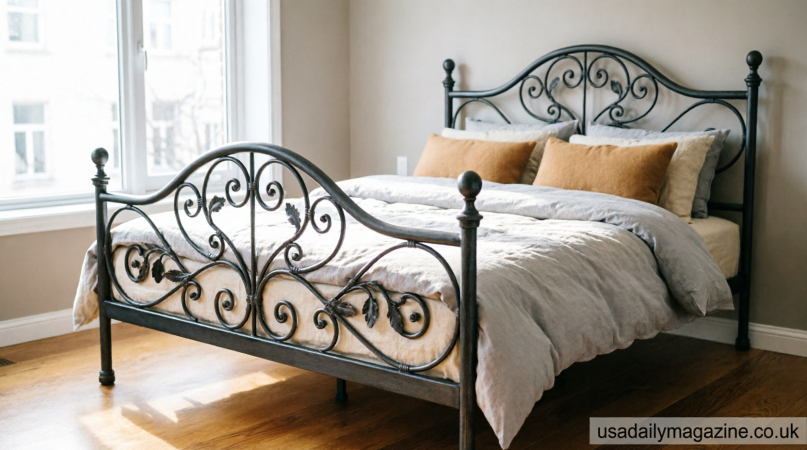
What Is Jernsenger?
Jernsenger is a Norwegian term linked to iron beds. The singular form is jernseng. In simple English, it means an iron bed. The word comes from Norwegian terminology and describes a bed made from iron or associated with an iron frame. This gives the term a clear furniture meaning.
The iron bed meaning is useful when researching old furniture. It also explains why the word appears in discussions about Scandinavian furniture and European furniture. Jernsenger is not the name of one special bed brand. It describes a type of bed. Modern versions can use steel, tubular steel, or other metal materials.
The Norwegian language gives the term its main identity. The word should not be confused with unrelated concepts found on some websites. The safest definition is still linked to an iron bed. This makes the Jernsenger definition simple and easy to understand.
The meaning becomes clearer when the word is separated into parts. “Jern” means iron in Norwegian. “Seng” means bed. Together, jernseng describes an iron bed. Jernsenger is the plural form. This basic meaning also explains the phrase Norwegian word for iron bed.
Jernsenger Meaning and Norwegian Origin
The Jernsenger meaning comes from the Norwegian language. It is useful to look at the singular word jernseng when studying its origin. The word is connected to Norwegian terminology rather than being a modern English invention.
The phrase iron bed in Norwegian is jernseng. The plural form is jernsenger. This distinction matters when searching for historical records or furniture references. It can also help people who are researching Scandinavian furniture terms.
There is sometimes confusion between Norwegian and Danish language terms. Both languages belong to the North Germanic language family. They also share many words and grammatical similarities. However, a word should not automatically be labeled Danish because it looks similar to a Norwegian term.
The word jernseng is best understood through Norwegian usage. Its meaning points directly to a bed made of iron. The term can describe historical furniture. It can also relate to modern metal bed frames that follow a similar basic concept.
This simple origin gives the word a strong connection with material and function. It tells us what the bed is made from. It also separates the term from decorative names that only describe a particular style.
The History of Iron Beds
The history of iron beds is closely linked to changes in furniture production. Metal became more useful as manufacturing methods improved. The Industrial Revolution played a major role in this wider change.
During the nineteenth century, factories produced metal products on a larger scale. Industrial manufacturing made it easier to create repeated parts. It also helped manufacturers produce furniture with more consistent shapes.
Historical iron beds became useful in many settings. They appeared in homes. They also appeared in hospitals, hotels, ships, and other places where practical furniture was needed. Their value was not only based on appearance.
Iron bedsteads offered a firm structure. They could also be designed with separate rails and supports. This made some models easier to assemble or move. Their construction suited places where beds needed to be used often.
The history of jernsenger also connects with European furniture. Metal furniture became part of a wider movement toward manufactured household products. Iron was no longer limited to tools and industrial equipment. It became part of everyday furniture design.
This period helped establish the iron bed as a recognizable furniture type. Later designs added decorative elements. Other models became simpler and more practical.
How Scandinavian Iron Beds Developed
Scandinavian iron beds have their own place within Nordic furniture history. Scandinavian furniture often focuses on useful design. It can also favor simple shapes and clean lines.
This does not mean every iron bed is Scandinavian. An iron bed can have many styles. Some are highly decorative. Others are very simple. The Scandinavian connection usually comes from the design approach rather than the material alone.
Scandinavian bed design often works well with open shapes. A slender bed frame can create a lighter visual effect. This can help a room feel less crowded.
Nordic design also values a balance between function and appearance. A bed should look good. It should also work well for everyday use. This idea fits naturally with metal furniture.
A Nordic bedroom may combine an iron frame with wood, soft fabrics, neutral colors, and simple accessories. The result can feel calm without becoming plain.
Scandinavian interior design also makes use of natural textures. Wood can soften the harder appearance of metal. Linen and cotton can add warmth. Rugs can make the room feel more comfortable.
This combination shows why an iron bed can still fit modern homes. Its structure is simple. The surrounding materials can change its character.
Main Types of Iron Bed Frames
Iron bed frames come in many forms. Older designs may use traditional wrought iron. Some may include cast iron parts. Modern frames often use steel or tubular steel.
Wrought iron is strongly associated with decorative metalwork. It can be shaped into curves and detailed patterns. Older wrought iron bedsteads may feature decorative headboards and footboards.
Cast iron is made through a casting process. It can create detailed shapes. Historical furniture sometimes used cast components for decorative or structural parts.
Modern manufacturers often use steel. A steel bed frame can use tubes, rails, bars, or formed sections. Tubular steel can provide a useful combination of strength and manageable weight.
The term iron bed is still commonly used for designs that are actually made from steel. This is not unusual in furniture marketing. Buyers should always check the product specifications.
The material is only one part of the story. Frame thickness also matters. Joint construction matters. Support design matters. The finish also affects long-term performance.
A good frame should work as one complete structure. Each part should support the next.
Key Parts of a Jernsenger Bed
A typical frame has several important parts. The headboard is located at the head of the bed. The footboard sits at the opposite end.
Some designs use both parts. Others use only a headboard. Modern minimalist iron beds may even have a very simple open structure.
Metal rails connect the main sections of the frame. They help hold the mattress platform in place. Strong rails can also improve frame stability.
Steel slats may support the mattress. Their spacing should match the mattress manufacturer’s requirements. Slats that are too far apart may not provide suitable support for some mattresses.
Center support is also useful on many larger beds. A center rail can run from the head of the frame toward the foot. Center support legs can transfer some of the load toward the floor.
This helps improve weight distribution. It can also reduce movement in the middle of the frame.
Precision-welded joints may be found on some modern metal beds. Other frames use brackets and heavy-duty bolts. Both approaches can work well when properly designed.
The goal is simple. The frame should remain stable during normal use.
Why Frame Durability Matters
Frame durability is one of the main reasons people choose metal beds. A strong bed frame can handle regular use when its construction is suitable for the load.
Structural strength depends on more than the material name. Steel thickness matters. Rail design matters. Joint quality matters. Support legs matter too.
A durable bed should not move excessively when someone sits down or changes position. Loose joints can cause unwanted movement. Poor construction can also create squeaking.
A sturdy metal frame may provide years of normal use. However, no frame should be described as indestructible. Weight limits should always be followed.
A heavy-duty bed frame can be useful for people who need higher load capacity. The manufacturer’s rating should be checked before buying.
Long-lasting furniture also needs proper care. A strong frame can still develop problems if it is exposed to moisture or used incorrectly.
Good construction and good maintenance work together. Neither one should be ignored.
Jernsenger and Modern Bedroom Design
Modern metal beds can fit many interior styles. Their open structure gives designers more freedom.
A minimalist iron bed can work well in a simple room. It does not need heavy decoration. Clean lines can make the bed look neat and balanced.
An industrial metal bed creates a different effect. Dark finishes and exposed metal can suit an industrial bedroom. Wood and concrete-style textures can strengthen this look.
A rustic iron bed can work with natural wood and warm fabrics. A farmhouse iron bed can also create a traditional bedroom feeling.
Decorative iron beds are another option. These designs may use curves, patterns, or detailed metalwork. They can work well with vintage bedroom furniture.
Modern bedroom furniture can also be mixed with an older frame. This creates contrast. A traditional bed can look fresh when placed beside modern tables and lighting.
The important point is balance. The bed should work with the room instead of fighting with it.
Iron Beds for Small Bedrooms
A metal frame can be useful in a compact bedroom. Its open design can create visual openness. More of the wall and floor can remain visible around the bed.
This does not make the bed physically smaller. It changes the way the room looks.
Small-room furniture should use available space carefully. A bed with high floor clearance may provide useful under-bed storage.
Under-bed storage can hold boxes, seasonal clothing, or other items. It can help reduce clutter in a small room.
Bedroom space optimization also depends on the bed size. A large frame may leave little walking space. A smaller frame can make movement easier.
An open metal frame can also work well with light-colored bedding. Simple colors can make the room feel more spacious.
A slender bed frame may be useful where visual weight matters. Thin rails and simple legs can make the furniture appear less bulky.
These features make iron beds a practical option for apartments, guest rooms, and smaller bedrooms.
Mattress Support and Compatibility
Mattress compatibility should be checked before buying any iron bed. Different mattresses have different support requirements.
Mattress support comes from the complete base. It may include steel slats, wooden slats, a platform, or another support system.
Mattress slat spacing is especially important. Some mattresses require closer spacing than others. Always follow the mattress manufacturer’s instructions.
Reinforced steel slats can provide additional support. They may also help distribute weight across the frame.
Center support can be important for larger mattresses. Without enough support, the middle of the bed may experience more movement.
Weight distribution also affects stability. A properly designed frame spreads the load across its rails and supports.
Memory foam mattresses may require a specific type of base. Hybrid mattresses can have different requirements. Pocket-sprung mattresses also have their own support needs.
A frame should therefore be selected with the mattress in mind. Buying the frame first and checking compatibility later can create problems.
Comfort comes from the mattress and support system together. The metal frame mainly provides the foundation.
Styles of Jernsenger Beds
There are many styles available today. Each one creates a different visual effect.
Victorian iron beds are known for decorative forms. They may have curved bars and detailed headboards. Some antique iron beds have original finishes that give them a distinctive appearance.
Decorative iron beds can become the main feature of a bedroom. Their design may be more noticeable than a simple modern frame.
A minimalist iron bed takes the opposite approach. It uses simple lines and limited decoration. This style fits modern and Nordic rooms.
An industrial metal bed often uses stronger visual elements. Dark finishes, straight lines, and exposed structural details are common.
A rustic iron bed can work with natural materials. Wood furniture and woven fabrics can soften the metal.
A farmhouse iron bed can create a traditional country look. White, cream, black, and muted finishes are common choices for this setting.
Vintage bedroom furniture can also be paired with an iron frame. The result can combine old and new elements.
Modern metal beds offer the widest range of simple designs. They can suit many rooms without demanding a specific decorating theme.
Choosing the Right Iron Bed
Buying an iron bed requires more than choosing a design. Measurements should come first.
Check the mattress size. Then measure the available bedroom space. Remember to leave enough room for walking around the bed.
Check the frame dimensions as well. Some headboards extend higher than expected. Some footboards also add extra length.
Look at the support structure. Check the rails. Check the slats. Check the center support.
The finish is also worth examining. Powder-coated surfaces can offer protection and a consistent appearance. Painted surfaces may need different care.
Check the assembly system. Frames with heavy-duty bolts should have secure connection points. The instructions should clearly explain how the parts fit together.
Weight limits should also be clear. Do not assume that a thick-looking frame automatically has a high load rating.
A good purchase should match the room, mattress, budget, and expected use.
Caring for Iron Bed Frames
Metal bed frames are usually simple to maintain. Regular dusting can prevent dirt from collecting around the joints.
A soft cloth can remove normal dust. A slightly damp cloth can remove light marks when the finish allows it.
Moisture should not be left on exposed metal. Water can damage some finishes. It can also contribute to rust if the protective coating has been damaged.
Check the frame from time to time. Look at the bolts and connection points. Listen for new squeaks or movement.
If a joint becomes loose, follow the manufacturer’s instructions for tightening it. Do not force a connection beyond its intended design.
Older frames need more care. Rust should be treated before it spreads. Scratched areas may need suitable protection.
Antique iron beds should be handled carefully. Aggressive cleaning can remove original finishes and reduce historical character.
Good maintenance supports frame durability. It also keeps the furniture looking better for longer.
Restoring Antique Iron Beds
Antique iron beds can have strong visual appeal. They may feature craftsmanship that is difficult to find in modern mass-produced furniture.
Before restoring one, inspect the entire frame. Look for cracks, corrosion, missing hardware, bent sections, and unstable joints.
Do not start with paint. Structural condition should come first.
Surface rust can sometimes be removed with suitable methods. The correct approach depends on the condition and type of metal.
Some antique bedsteads have old paint or finishes that are part of their character. Removing everything may reduce their historical value.
A professional restorer can help with valuable pieces. This is especially useful when the bed has unusual construction or significant age.
Restoration should respect the original design. The goal is to make the piece safe and usable while keeping its character.
A restored iron bed can become an excellent part of vintage bedroom furniture. It can also create a strong contrast in a modern room.
Scandinavian Furniture and Nordic Bedroom Ideas
Jernsenger fits naturally into discussions about Scandinavian furniture when the frame uses simple and practical design.
A Nordic bedroom does not need many decorative objects. The bed can provide the main structure. Soft bedding can add comfort.
Scandinavian interior design often uses natural materials. Wood, wool, linen, and cotton work well with metal.
An airy bedroom design can also use a simple iron frame. The open structure allows more visual space around the furniture.
Neutral colors can make the room feel calm. Natural light can also work well with metal and wood.
Nordic furniture style is often based on practical use. Furniture should have a purpose. It should also fit naturally into daily life.
This idea explains why simple metal bed frames remain useful. Their design can change with the rest of the room.
The same frame can work with different bedding, rugs, artwork, and lighting. That flexibility gives it lasting value.
Why Jernsenger Still Matters Today
The Jernsenger history shows how a basic furniture idea can remain useful across different periods. Iron beds moved from industrial and institutional settings into homes and modern interiors.
Their design has changed. Their materials have changed. Their manufacturing methods have changed.
Yet the basic idea remains familiar. A bed needs a stable structure. Metal can provide that structure when it is properly designed.
Modern metal bed frames also offer many visual choices. They can be simple or decorative. They can look traditional or modern.
The term also remains useful from a language perspective. Jernsenger connects furniture with Norwegian terminology and Scandinavian culture.
Its value is not based on a mysterious modern definition. Its strongest meaning is practical and historical.
The word points to iron beds. The furniture itself connects with a long history of European furniture production and changing bedroom design.
What Makes Jernsenger Different?
The main difference is the relationship between material and design. A wooden bed can have a warm and solid appearance. An upholstered bed can feel soft and substantial. A metal frame usually gives a more open and structured look.
Iron beds can also show their construction. Rails, bars, headboards, and supports can become part of the visual design.
This makes metal bed design highly flexible. A simple frame can almost disappear into the room. A decorative frame can become its central feature.
The material can also work with many decorating styles. That is one reason iron beds continue to appear in modern homes.
A good jernsenger-style bed combines useful structure with an attractive form. Its success depends on quality rather than decoration alone.
Conclusion
Jernsenger has a simple and useful meaning. The Norwegian singular form jernseng refers to an iron bed, while jernsenger refers to iron beds. The term is rooted in the Norwegian language and belongs to the wider story of Scandinavian and European furniture.
Iron beds became more common as metalworking and industrial manufacturing developed. The nineteenth century brought major changes to furniture production. Metal beds found practical uses in homes, hospitals, ships, hotels, and other settings.
Modern designs have moved far beyond old-fashioned bedsteads. Today, metal bed frames can use steel, tubular steel, wrought iron elements, or other metal components. They can follow minimalist, industrial, rustic, farmhouse, vintage, or Scandinavian styles.
The best frame is not simply the one with the most attractive design. It should have suitable mattress support, strong rails, reliable joints, proper center support, and an appropriate weight rating. Mattress compatibility should also be checked before purchase.
Jernsenger remains relevant because its basic idea is still useful. A well-made metal bed can provide structure, style, and flexibility. Its history gives it character, while modern furniture design gives it new possibilities.
For anyone searching for the Jernsenger meaning, the answer starts with a simple phrase: iron bed. From that point, the topic opens into Norwegian terminology, Scandinavian furniture, historical iron beds, modern metal beds, and practical bedroom design.
FAQs About Jernsenger
What does jernsenger mean?
Jernsenger is the plural form connected with the Norwegian word jernseng. It refers to iron beds. The term is mainly associated with beds made from iron or metal construction.
What is the Norwegian word for iron bed?
The Norwegian word for iron bed is jernseng. Jernsenger is the plural form. The word combines the idea of iron with the word for bed.
Are jernsenger and Scandinavian iron beds the same thing?
Not exactly. Jernsenger is a Norwegian term for iron beds. Scandinavian iron beds can refer more broadly to iron bed designs associated with Scandinavian furniture or Nordic interiors.
Are modern iron bed frames made from steel?
Many modern frames use steel instead of traditional iron. Tubular steel is common because it can provide a strong and practical structure. Always check the manufacturer’s material specifications.
How can I choose a durable jernsenger frame?
Check the frame construction, rail quality, steel slats, center support, joints, weight rating, and mattress compatibility. A strong bed frame should also fit the mattress and room correctly.
